
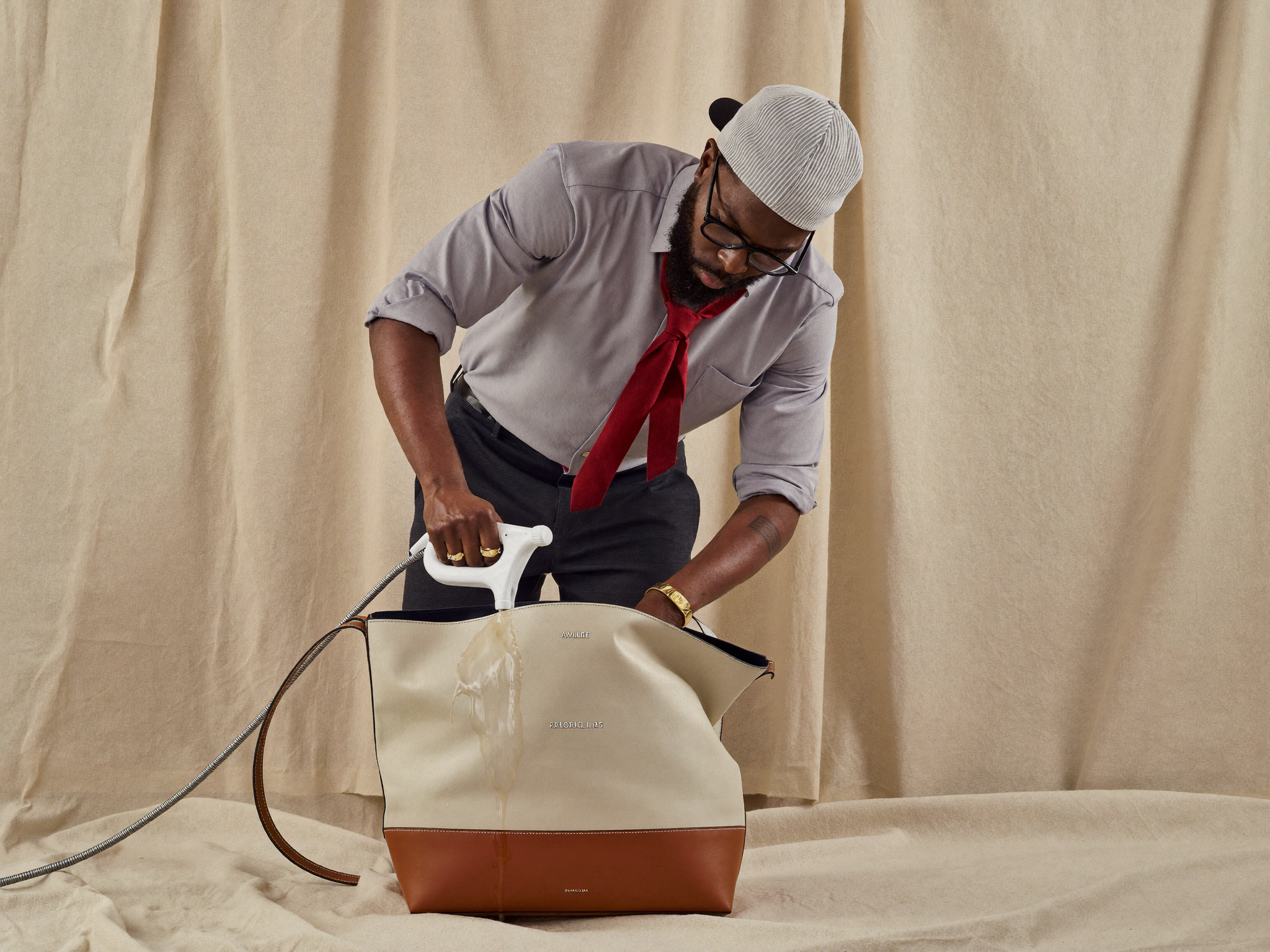
A canvas tote looks low maintenance right up until it is not. Dirt works its way into the weave, a coffee spill sets into a permanent shadow, or a tote packed away slightly damp comes back out smelling like a basement. None of this is inevitable. Canvas is a durable, forgiving fabric, but it responds badly to a small set of specific mistakes, mostly involving heat, bleach, and trapped moisture. This guide covers the routine that avoids them.
Why It Matters
Canvas Is Durable, Not Indestructible
Cotton canvas holds up to daily use better than most fabrics, which is exactly why it is easy to neglect. Two forces do most of the long term damage: trapped moisture and prolonged sun exposure.
On the moisture side, the EPA's guidance on mold cleanup notes that drying water damaged or damp items within 24 to 48 hours is the key window for preventing mold growth, and that porous materials can be difficult or impossible to fully clean once mold has taken hold. A canvas tote folded away damp is a textbook example of the conditions mold needs.
On the sun side, cotton is a cellulose based natural fiber, and peer reviewed research on textiles and ultraviolet exposure describes how UV radiation gradually breaks down fiber structure and dye bonds, which is part of why natural fibers fade and weaken faster than synthetics under repeated sun exposure. Neither of these problems shows up after one wash or one afternoon outside. They show up after months of small, repeated habits.
Before You Start
What You Will Need
Canvas care does not require specialty products. A small, gentle kit handles nearly everything.
The Routine
Step by Step: Cleaning a Canvas Tote
Empty and shake out the tote
Remove everything and turn the tote upside down to shake loose crumbs, sand, and other debris.
Brush off dry debris
Use a soft bristled brush before any water touches the fabric, since wiping dry dirt with a damp cloth tends to grind it deeper into the weave.
Spot clean with mild detergent
Mix a small amount of mild detergent with cool water and work it into stained areas with a soft cloth, rather than soaking the entire bag.
Rinse thoroughly
Wipe with a clean, water dampened cloth until no soap residue remains, since leftover detergent attracts dirt faster.
Air dry flat or hanging
Dry away from direct sunlight and any heat source, ideally within a day, to protect against both fading and mildew.
Store only when fully dry
Check handles and seams, not just the main panel, before folding the tote away for storage.
If the tote is also doing double duty as part of a car trunk system, the same drying discipline matters even more, since a damp tote sealed inside a closed trunk has even less airflow. The zone based trunk organization guide covers keeping totes dry and properly placed once they are back in service.
Stain Guide
Removing Common Stains
Most canvas stains fall into one of four categories, and each responds better to a slightly different approach. Select a stain type below.
Coffee and Tea
Blot immediately, do not rub, to keep the stain from spreading. Mix a few drops of mild detergent with cool water, dab it onto the stain with a cloth, then rinse. Hot water can set a tannin based stain, so stick with cool.
Grease and Oil
Blot excess oil first, then work a small amount of dish soap, built to break down grease, directly into the spot with a soft brush before rinsing with cool water. Avoid hot water here too, since heat can help oil bond deeper into the fibers.
Ink
Dab, do not rub, with a cloth lightly dampened in isopropyl alcohol, working from the outside of the stain inward to avoid spreading it. Test on a hidden spot first, since alcohol can affect some dyed or printed canvas.
Mildew
Mix equal parts white vinegar and water, apply to the affected area, and scrub gently with a soft brush. Dry completely in the sun, since sunlight helps kill remaining mold spores. Avoid bleach, which only kills mold at the surface and often allows it to return underneath.
The Moisture Problem
Handling Mildew Without Making It Worse
Mildew on canvas is almost always a storage problem rather than a cleaning problem. It shows up because a tote went into a bag, bin, or closet while still slightly damp.
- Clean the affected area outdoors if possible, so spores do not spread indoors.
- Use the vinegar and water method above rather than bleach, which the EPA notes only addresses surface mold and tends to let growth return.
- Dry the tote fully in the sun once cleaned, since sunlight helps eliminate remaining spores.
- Address the storage habit that caused it, not just the current spot, or the same mildew will return on the next damp day.
Getting the right tote size to begin with also helps here. An oversized tote used for a small load tends to trap more humid air inside it than one that is sized closer to what it actually carries, covered in more detail in the tote sizing guide.
Sun and Storage
Protecting Canvas From Fading and Wear
Sun exposure is slower to show damage than a stain, which is exactly why it is easy to ignore until the fabric is visibly faded or has gone slightly brittle.
- Store totes out of direct sunlight when not in use, rather than on an open shelf facing a window.
- Dry a freshly washed tote in indirect light or partial shade rather than full midday sun, especially for darker or printed canvas.
- Rotate totes if several are used regularly, so the same bag is not always the one absorbing the most UV exposure.
- Expect natural fading over time. It is a normal property of cellulose based fibers like cotton, not a sign that something was done wrong.
What Not To Do
Habits Worth Avoiding
- Bleach. It kills surface mold and can damage dye and fibers, without solving the underlying moisture problem that let mold grow in the first place.
- High heat drying. A hot dryer cycle is one of the more reliable ways to shrink canvas or warp bonded seams and handles.
- Storing while damp. Even slightly damp canvas folded into a closed bin creates the exact conditions mold needs.
- Scrubbing dry dirt with a wet cloth. This tends to push debris deeper into the weave instead of lifting it out.
FAQ
Frequently Asked Questions
Unstructured, unlined canvas totes can often handle a gentle cold cycle inside a mesh bag, but anything with a rigid frame, leather trim, or printed graphics is safer to hand wash and spot clean instead.
Blot the stain first, then work a small amount of dish soap, which is designed to cut grease, into the spot with a soft brush before rinsing with cool water.
A diluted white vinegar and water solution applied to the affected area, followed by full air drying in the sun, addresses both the smell and the mold spores causing it. Bleach is not recommended, since it only kills mold at the surface and the growth often returns.
High heat is one of the more reliable ways to shrink or warp canvas and any bonded seams, so air drying is safer even if it takes longer.
A quick brush down after heavy use and a full spot clean every few weeks for a regularly used tote keeps dirt from settling into the weave, where it becomes far harder to remove.
Keep Reading
Related Guides
- EPA Guidance on Mold Remediation: epa.gov
- NCBI Scientific Study on Cotton Fiber and UV Degradation: pmc.ncbi.nlm.nih.gov