

Open ten trunks in any grocery store parking lot and the scene repeats itself: a loose reusable bag, a phone charger tangled around a tire iron, a case of water rolling from side to side every time the car turns. Utility totes solve this, but only when they are placed with intention rather than tossed in as an afterthought. This guide covers a zone based system for organizing a trunk with utility totes, along with the safety and efficiency research behind why it actually matters.
Why It Matters
A Loose Trunk Is Not Just Messy, It Is a Small Liability
An unorganized trunk is more than a source of morning frustration. It carries measurable safety and cost consequences that a zone based tote system directly addresses.
Cargo that is not secured can shift or become a projectile during hard braking or a collision. NHTSA's guidance on securing loads notes that unsecured cargo and road debris contribute to hundreds of deaths and thousands of injuries nationwide every year, with the large majority of those crashes involving passenger vehicles rather than commercial trucks. Loose totes sliding around a trunk are a smaller scale version of the same problem.
There is also a cost angle. Carrying unnecessary weight makes an engine work harder on every trip. According to the Department of Energy's fuel economy guidance, an extra 100 pounds sitting in a vehicle can lower gas mileage by roughly one percent, which adds up quickly for anyone hauling tools, sports gear, or forgotten seasonal items year round.
Finally, there is a mental load. Research building on UCLA's Center on Everyday Lives of Families found that people who described their living spaces as cluttered showed elevated levels of the stress hormone cortisol compared to those in organized spaces. A trunk is a small space, but the same principle applies: knowing exactly where the jumper cables and the umbrella live removes a tiny daily decision that otherwise adds friction to the day.
Step One
Choosing Totes That Actually Fit the Job
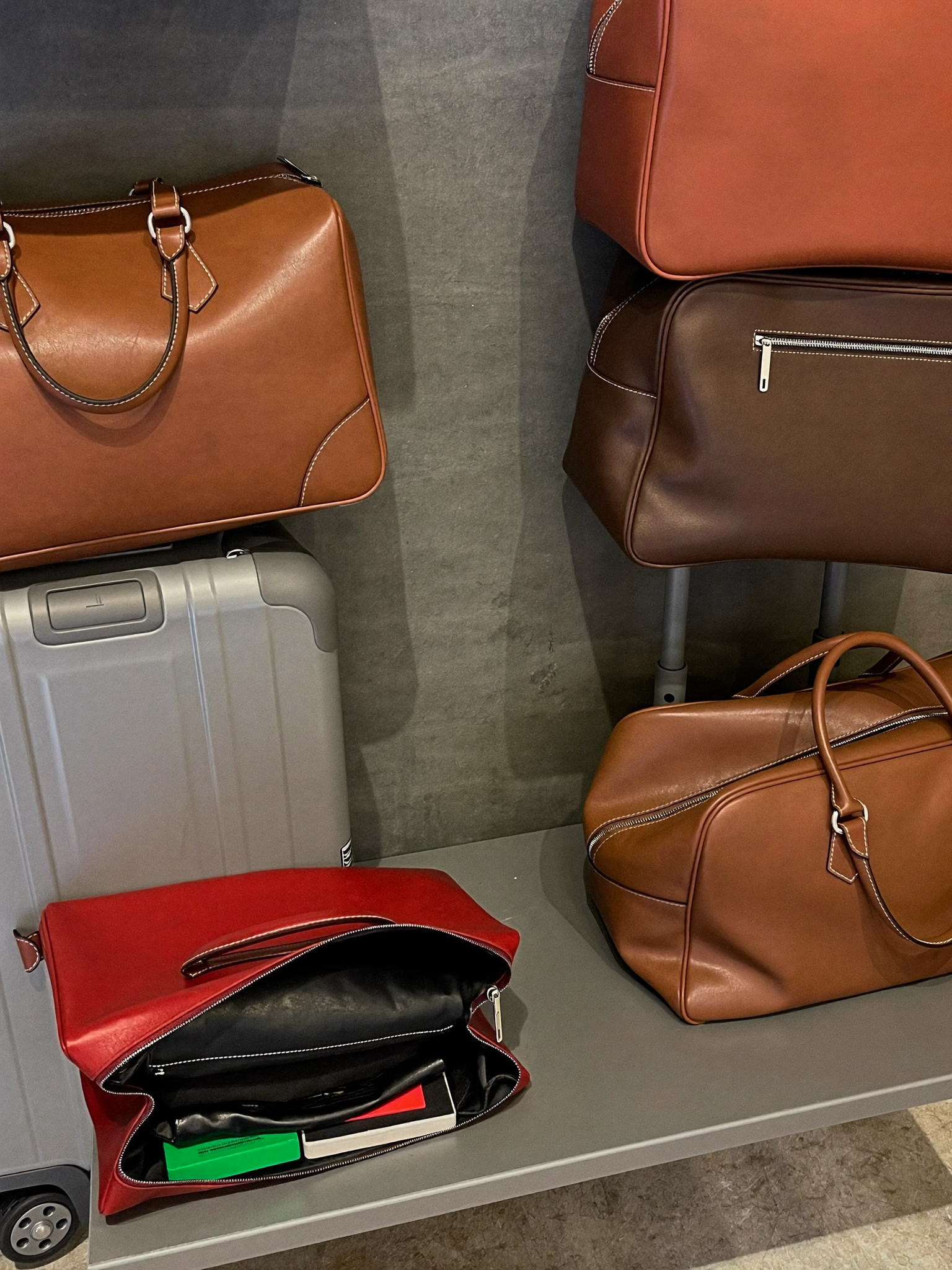
Not every storage bin belongs in a trunk. The right tote depends on the vehicle's cargo shape and what the zone is meant to hold.
Size
Sedans and midsize SUVs generally do best with totes in the 15 to 25 liter range. Anything larger tends to block visibility through the rear window or waste the awkward space around a wheel well. Trucks and full size SUVs have more room to work with, so a 30 to 40 liter tote is reasonable for the heaviest zone.
Material and Build
- Rigid, stackable totes hold their shape when the trunk is full and stack cleanly for the heavy, low zone.
- Collapsible fabric totes work well for lighter, rotating zones since they can flatten when not in use.
- Semi clear totes let you spot contents without opening a lid, which matters most for anything used often.
- Handles on both ends make it far easier to lift a heavy tote out without straining, especially over a raised bumper lip.
For vehicles that regularly haul equipment for work or hobbies, a closer look at cargo organizers built specifically for SUVs and trucks is worth the extra research before buying totes in bulk.
Before You Buy
What the System Actually Changes
Drag the handle to compare a typical loose trunk against the same space after the four zone system is applied.
The System
The Four Zone Trunk System
Rather than one large catch all bin, split the trunk into four functional zones based on how often each category of item gets used and how heavy it is. Click a zone below to see what belongs in it.
Zone 1 · Emergency & Safety
Jumper cables, a compact first aid kit, a flashlight with fresh batteries, reflective triangles or flares, and a folded tire pressure gauge. This tote should never move from its spot and should be the first thing anyone opening the trunk sees.
Zone 2 · Grab & Go
Reusable shopping bags, a compact umbrella, a phone charging cable, a spare work bag or gym bag. These items get pulled out multiple times a week, so they belong closest to hand.
Zone 3 · Seasonal Rotation
Ice scraper and a folding shovel in winter, sunscreen and a collapsible cooler in summer. This zone swaps twice a year and fits naturally into the wheel well space along the sides.
Zone 4 · Heavy & Low
Tool totes, cases of water, or bagged traction material such as sand or cat litter for winter. Heavy items go on the floor and pushed against the back seat, never stacked high or off to one side.
Setup Guide
Step by Step: Setting Up the System
Empty the trunk completely
Pull everything out, including anything wedged into the wheel wells, so the real amount of usable space is visible.
Sort into three piles
Keep, relocate, and remove. Anything that belongs in the garage or the house does not go back into the trunk.
Measure the cargo area
Note the floor length, width, and the depth of any wheel wells or underfloor storage before buying totes.
Assign the four zones
Lay out where emergency, grab and go, seasonal, and heavy totes will sit based on the trunk's actual shape.
Load heavy totes low and centered
Place the heaviest tote on the floor against the back seat rather than stacked high or pushed to one side.
Label totes and set a monthly reminder
A five minute reset once a month keeps items from drifting between zones or piling up loose again.
Families packing for trips more than once a season may also want a road trip packing checklist to pair with this setup, since it covers what moves in and out of the seasonal zone before a longer drive.
Safety
Weight Distribution and Load Safety
A well organized trunk still needs to be a secured one. Any tote heavy enough to cause damage if it slid forward during a hard stop should be treated the same way a larger cargo load would be treated.
- Check the vehicle's cargo load rating, usually printed on a sticker inside the driver's door frame, and stay under it.
- Use a cargo net, ratchet strap, or non slip cargo mat to keep totes from sliding, especially in hatchbacks and SUVs where cargo sits closer to the passenger cabin.
- Keep the heaviest totes low and against the seatback rather than stacked toward the rear window.
- Never let cargo block the view through the rear window or interfere with folding seats down in an emergency.
These practices align directly with NHTSA's cargo securement guidance, which applies the same physics to a trunk full of totes as it does to a truck bed full of furniture. A homeowner setting up a broader storage system might also find a garage organization system useful for handling overflow items that should never make it into the vehicle in the first place.
The Fuel Angle
What Extra Weight Actually Costs at the Pump
The four zone system naturally limits weight because it forces a decision about whether an item earns a permanent spot. The chart below illustrates the approximate fuel economy impact of carrying unnecessary weight, based on Department of Energy guidance that every extra 100 pounds reduces fuel economy by roughly one percent.
A trunk that only holds what genuinely needs to be there, rather than accumulated water cases, forgotten tools, and old sports gear, keeps that weight penalty as low as possible on every single trip.
Upkeep
Keeping the System Alive
The zone system only works if it survives contact with real life. Two habits keep it intact:
- Monthly five minute reset: pull each tote, confirm nothing has drifted into the wrong zone, and remove anything that snuck in loose.
- Seasonal swap: twice a year, rotate the seasonal zone's contents and check that emergency zone items like flashlight batteries and first aid supplies are still current.
Anyone building out this kind of routine as part of a broader packing habit may also want a car emergency kit checklist to confirm zone one is fully stocked before winter or a long drive.
FAQ
Frequently Asked Questions
Most sedans and midsize SUVs work best with totes in the 15 to 25 liter range, since anything larger tends to block the view through the rear window or make wheel well space unusable. Trucks and full size SUVs can go larger, closer to 40 liters, for the heavy low zone.
Clear or semi transparent totes make it easier to identify contents at a glance without lifting lids, which matters most for the grab and go and emergency zones. Solid totes work fine for the seasonal and heavy zones, where contents change less often.
Check the vehicle's cargo load rating, usually listed on a sticker inside the driver's door frame, and stay under it. Beyond the safety limit, added weight also reduces fuel economy and can affect braking distance.
Any tote heavy enough to cause damage if it became a projectile during hard braking should be secured with a cargo net, strap, or non slip mat. This matters most for hatchbacks and SUVs where cargo sits closer to passengers.
A five minute check once a month keeps the system intact, with a fuller seasonal swap twice a year to rotate weather specific gear in and out.
Keep Reading
Related Guides
Sources
- National Highway Traffic Safety Administration, How to Secure Your Load
- U.S. Department of Energy, FuelEconomy.gov Mobile Tips
- Institute for Family Studies, A Cluttered Home Causes More Stress, citing UCLA research