
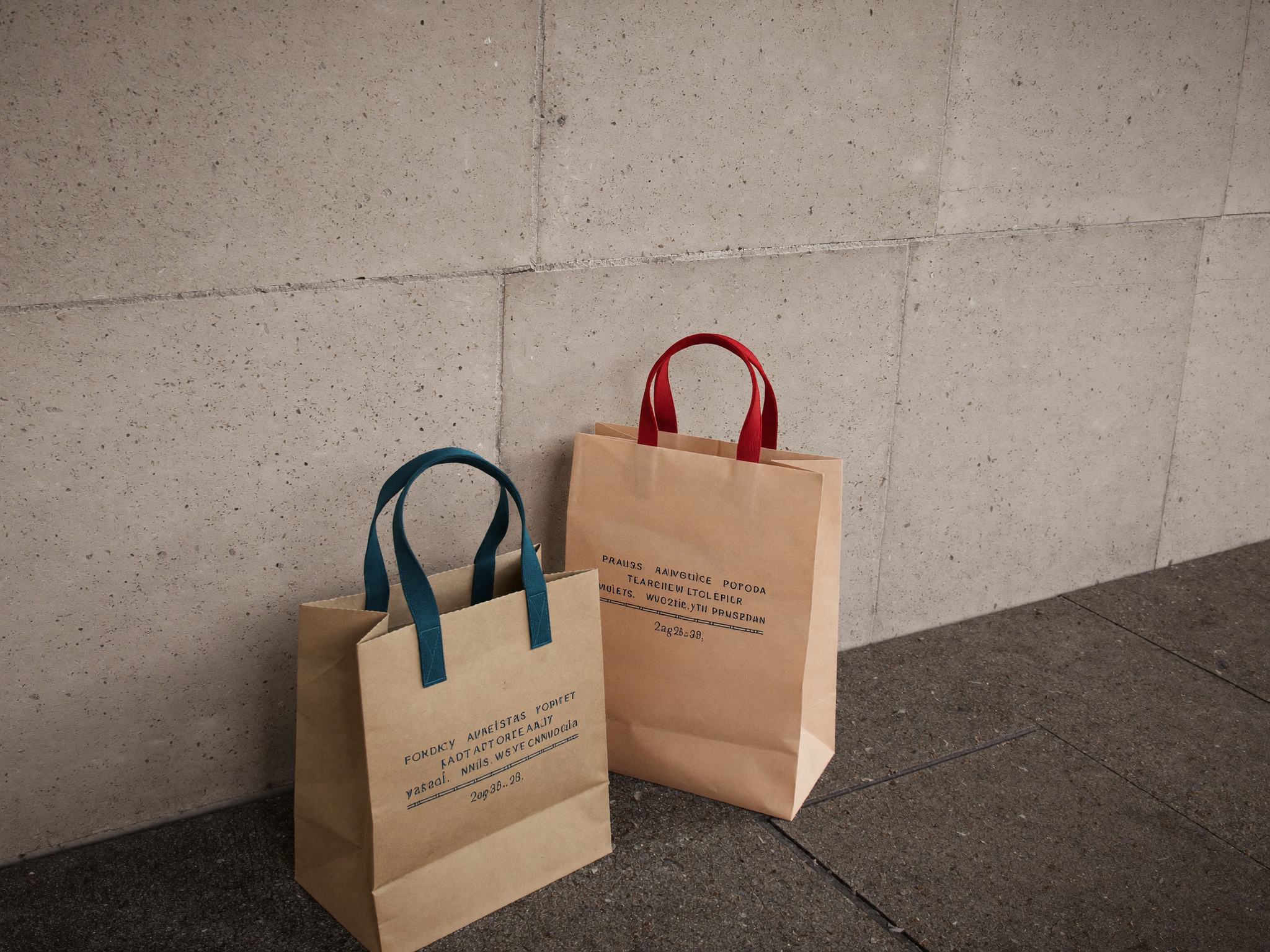
Tote listings throw a liter number at you and expect it to mean something. It rarely does. A 20 liter tote from one brand looks nothing like a 20 liter tote from another, because liters describe volume, not shape, and shape is what actually determines whether something fits your trunk, your closet shelf, or your arm on the walk from the car. This guide breaks tote sizing into four practical tiers, matched to real tasks, so the number on the listing finally means something before you buy.
Why It Matters
Getting the Size Wrong Is More Common Than It Should Be
Sizing mistakes are not rare, and they are not unique to totes. Retail return data shows the same problem across nearly every product category sold online.
Industry surveys on online shopping returns have repeatedly found that size, fit, or color being wrong is consistently cited as the top reason shoppers send an order back, ahead of damage, delays, or simply changing their mind. Totes are not exempt from that pattern. A tote bought without a clear sense of what liters translate to in real inches tends to end up either half empty and shapeless, or too small to hold what it was bought for.
The fix is not a better guess. It is matching the tote to a specific task first, then checking the dimensions against that task, rather than working backward from a liter number that sounds roughly right.
The Chart
Four Size Tiers, Explained in Real Terms
Rather than comparing raw liters, it helps to think in tiers. Click a size below to see what it is actually built for.
Compact, 8 to 12 liters
About the size of a large handbag. Built for a daily carry: a laptop sleeve, a lunch bag, a phone charger. Too small for a real grocery run, and it will feel restrictive fast if pressed into service as an everyday errand bag.
Standard, 15 to 25 liters
The most versatile tier. Holds a real grocery run for one or two people, fits comfortably in most car trunks, and is the size most people should default to unless they have a specific reason to go bigger. This is also the sweet spot for the grab and go and emergency zones in a zone based trunk system.
Large, 30 to 40 liters
Built for bulk. A beach day for a family, a full week of laundry, or the heavy low zone in a trunk system where one dense tote replaces several loose bags. Gets noticeably harder to lift full, so a rigid bottom and sturdy handles matter more at this size.
Extra large, 45 liters and up
Storage territory rather than carry territory. Garage shelves, seasonal decor, camping gear between trips. These totes are rarely meant to be carried full and are better suited to sitting in one place and being loaded or unloaded a little at a time.
Match The Task
Choosing by Use Case, Not by Liter Number
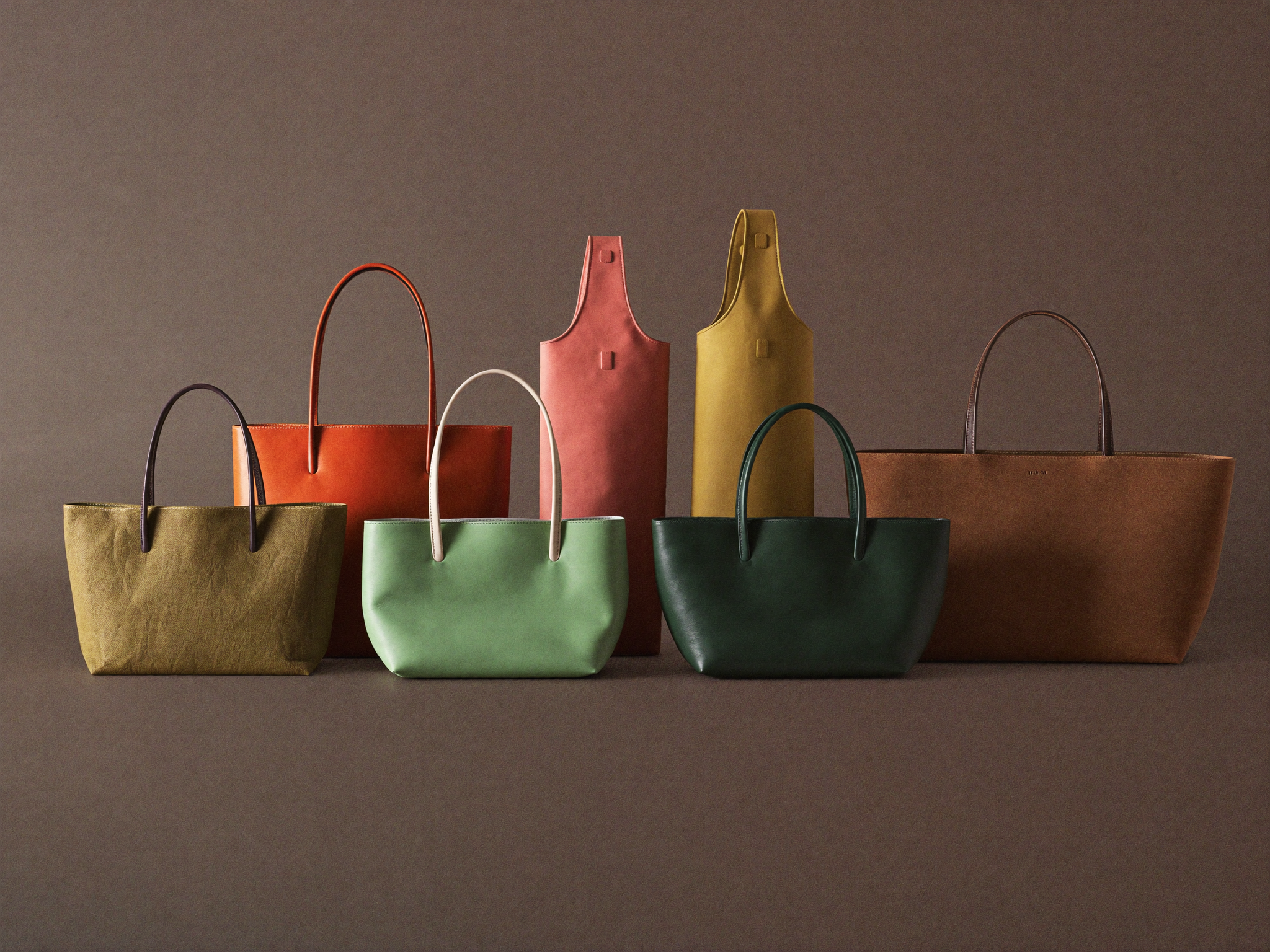
Once the four tiers are clear, sizing a tote becomes a question about the task rather than the spec sheet.
Everyday carry
A compact tote in the 8 to 12 liter range is enough for a work bag, a gym kit, or a daily commute. Going bigger here usually just means carrying more empty space around.
Grocery runs and errands
Standard, 15 to 25 liter totes are the right call for most households. Two standard totes generally beat one oversized tote, since weight gets distributed across both hands instead of pulling on one shoulder.
Car trunk organization
Totes sized for a trunk depend on the zone. The four zone trunk system pairs standard totes with the emergency and grab and go zones, and reserves a single large tote, 30 to 40 liters, for the heavy zone positioned low and against the seatback.
Beach, camping, and outdoor days
Large totes in the 30 to 40 liter range handle a family beach trip or a weekend of camping gear without needing a second bag, as long as the build includes a rigid or reinforced bottom.
Garage and seasonal storage
Extra large totes, 45 liters and beyond, make sense for anything that sits on a shelf most of the year rather than getting carried regularly, such as holiday decorations or off season sporting equipment.
The Weight Angle
How Much Weight a Full Tote Should Actually Hold
Volume is only half of the sizing question. The other half is whether a full tote is something you can actually lift without strain.
Occupational lifting guidelines offer a useful reference point here. The CDC's National Institute for Occupational Safety and Health lifting guidance sets the upper two handed lifting limit under ideal conditions at roughly 51 pounds, a figure meant to protect against back strain even for a single, well positioned lift. A tote you plan to carry with one hand, at an angle, up a curb or over a bumper lip, should stay well under that number.
A tote that is technically large enough is not automatically the right choice if filling it to capacity produces a weight that is unpleasant or risky to carry regularly.
Before You Buy
How to Measure Your Space, Not Just the Tote
Measure the storage spot, not the tote
Measure the shelf, trunk floor, or closet space where the tote will actually live before browsing listings.
Note the shortest dimension
The tightest measurement, usually height under a shelf or trunk depth, is what rules a size out, not the longest one.
Check inches, not just liters
Two totes with the same liter volume can have very different footprints, so confirm the listed length, width, and height.
Account for a full load
Soft sided totes expand once filled, so leave a couple of inches of margin around the measured space.
Match size to weight, not just volume
A tote that is comfortable to lift full matters more than one that simply fits the most items on paper.
This is the same measuring habit used when setting up a car trunk system: the step by step trunk organization guide covers measuring the cargo floor and wheel well depth before assigning totes to zones, and the same principle applies to any shelf or closet.
Common Mistakes
Sizing Mistakes Worth Avoiding
- Buying the biggest option "to be safe." An oversized tote that sits half full lets contents shift and slide, which is often worse than a tote that is snugly full.
- Ignoring the shortest dimension. A tote that fits a trunk's width and length but not its height under the parcel shelf will not fit at all.
- Skipping the weight check. A tote sized correctly by volume can still end up too heavy to lift comfortably once it is actually full.
- Assuming liters translate evenly across brands. Always cross check the listed length, width, and height rather than trusting the liter figure alone.
FAQ
Frequently Asked Questions
Most totes described as standard fall between 15 and 25 liters, which is roughly the capacity of two to three grocery bags and fits comfortably in a car trunk or on a closet shelf.
A full grocery run for one or two people usually needs 20 to 30 liters of combined capacity, which is why many shoppers use two mid sized totes rather than one oversized one.
Not necessarily. A tote sized well beyond what is regularly carried tends to sit half empty, contents shift around inside it, and it becomes harder to lift once it is finally filled.
For a zone based trunk system, 15 to 25 liter totes work well for the everyday zones, while a 30 to 40 liter tote is reasonable for the single heavy, low positioned zone.
As a general reference point, occupational guidelines put the upper comfortable two handed lifting limit under ideal conditions at around 51 pounds, and a tote that is easy to carry with one hand should stay well under that.
Sources
- Digital Commerce 360, citing Bizrate Insights and Narvar research, Sizing Issue Is a Top Reason Shoppers Return Online Orders
- CDC, National Institute for Occupational Safety and Health, Revised NIOSH Lifting Equation